webmail
 Portal personal








Nine young people from the socio-occupational integration and community-based measures programmes carried out by Fundación Diagrama in this region participate in a training designed to strengthen their social agency and decision-making skills. In this first session they have developed their personal, social and civil competencies, their self-awareness, their emotional literacy and their collaborative problem-solving abilities.
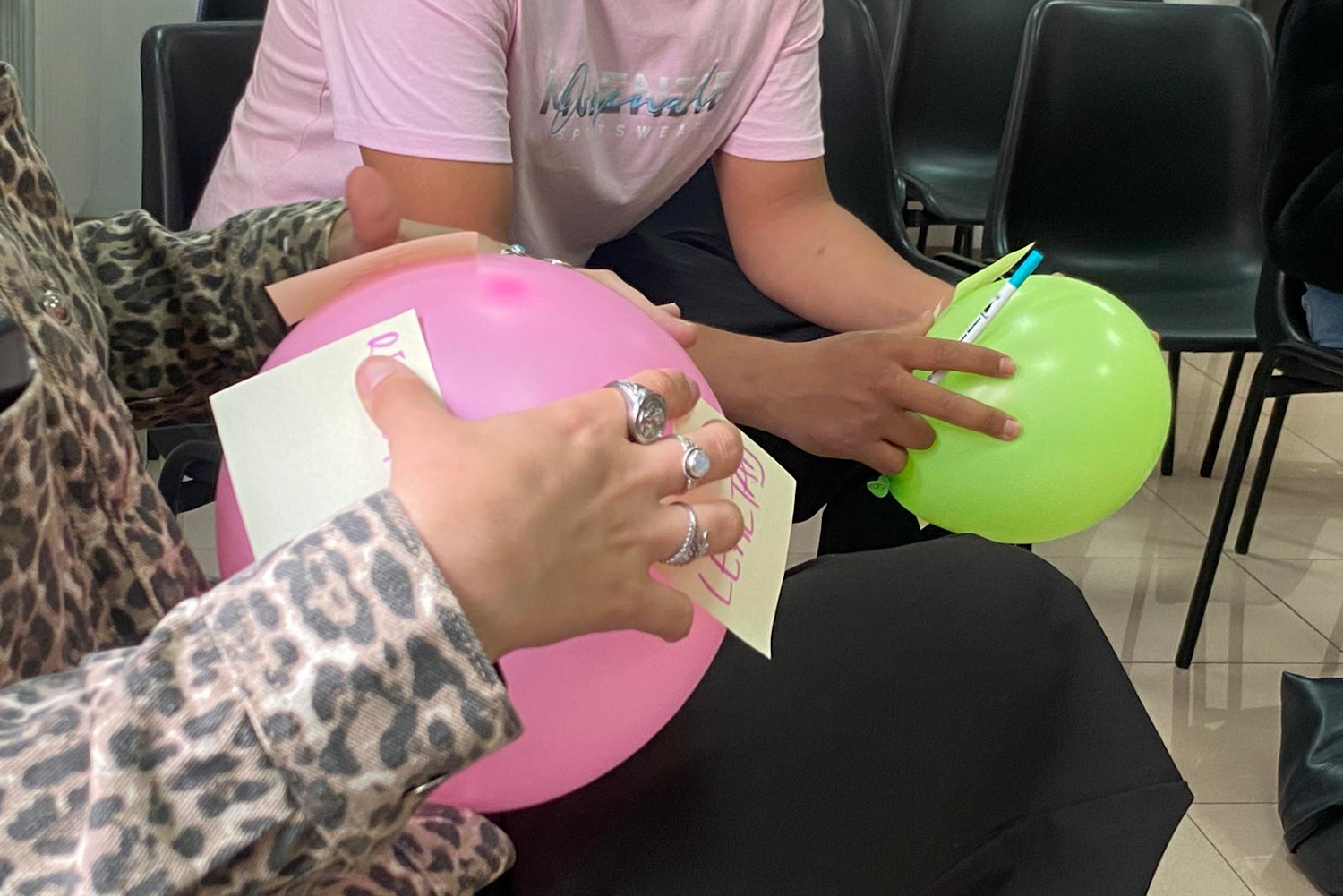
On April 29th, the first session of the youth participation workshop of the ‘MovingON: From conflict to participation’ project took place in Madrid. This initiative, co-financed by the Erasmus+ project of the European Union and coordinated by Aproximar, is being carried out in Spain, Portugal, The Netherlands, Romania, Greece and Italy with member organisations of all these countries, including Fundación Diagrama.
The workshop focused on the prevention of crime and violence in the community. Its goal was to enable young people in conflict with the law and in situations of social risk to become actively involved in social life and in the decision-making processes that have an impact on their own lives. This aligns with the objectives of the ‘MovingON’ project, which seeks to give them a voice and connect them with decision-makers within the public administration, with the aim of contributing to the improvement of community crime prevention policies, as well as to wellbeing and social cohesion.
Nine young people took part in this first session, coming from the Socio-Occupational Integration Support Programme (PAIS) and the Programme for Monitoring and Intervention in Community-Based Measures of the Community of Madrid, projects under the remit of the Agency for the Re-education and Reinsertion of Young Offenders (ARRMI) of Madrid's regional government. Individual and group reflection tasks were carried out, coordinated by four professionals from Fundación Diagrama, in which values and necessities were identified. Through this, the workshop sought to strengthen personal, social and civic competencies of the young people, as well as their decision-making abilities, self-awareness, emotional literacy and collaborative problem solving skills.
The young participants positively valued this opportunity to reflect on several themes that concern them. In turn, the team of professionals that organised the workshop highlighted the progressive involvement shown by the group of young people. As they explained, motivation increased significantly as they took part in the workshop activities, consolidating their role as active subjects.