webmail
 Portal personal








In March the first training session took place for the organisations that participate in this European project, including Fundación Diagrama. The objective is to establish learning communities in each country so that families fostering migrant children and adolescents can find answers to their needs, share experiences, offer mutual support and develop innovative solutions.
Fundación Diagrama is part of the consortium of European organisations that carry out the ‘LACE - Learning communities for foster families’ project, which seeks to support the foster families of unaccompanied migrant children and adolescents. The project, currently in its initial phase, will help to establish learning communities in which said families, or those interested in becoming one, can find answers to their needs, share experiences, offer mutual support and develop innovative solutions. Through this, it is hoped to strengthen resilience, amplify voices and improve the quality of life of these families and the children and adolescents who they take in.
LACE is cofinanced by the Erasmus+ Programme of the European Union and coordinated by Odisee University College (Belgium). Along with Fundación Diagrama, the other participating entities are Salesiani per il Sociale APS (Italy), Hope for Children - CRC Policy Center (Cyprus) and Equality Cooperativa Sociale (Italy).
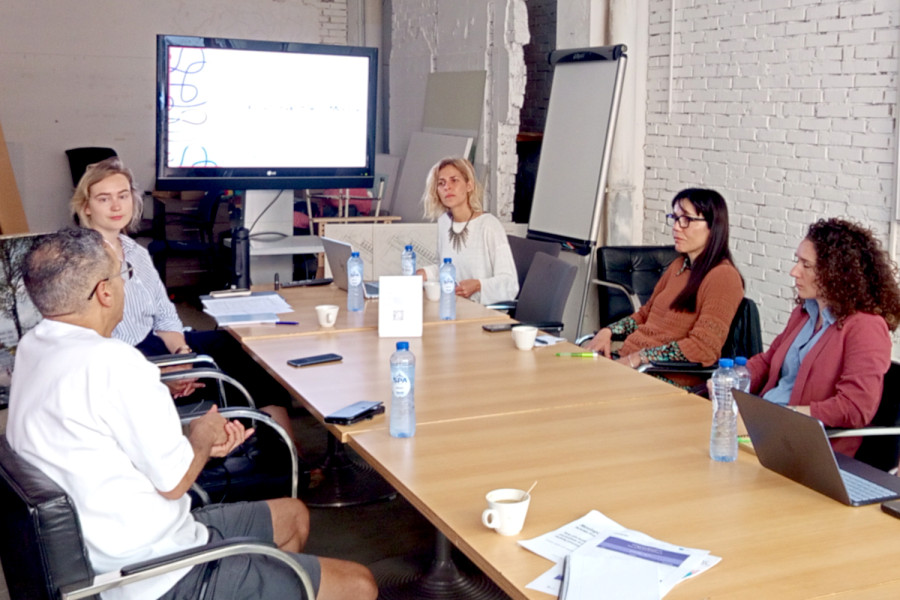
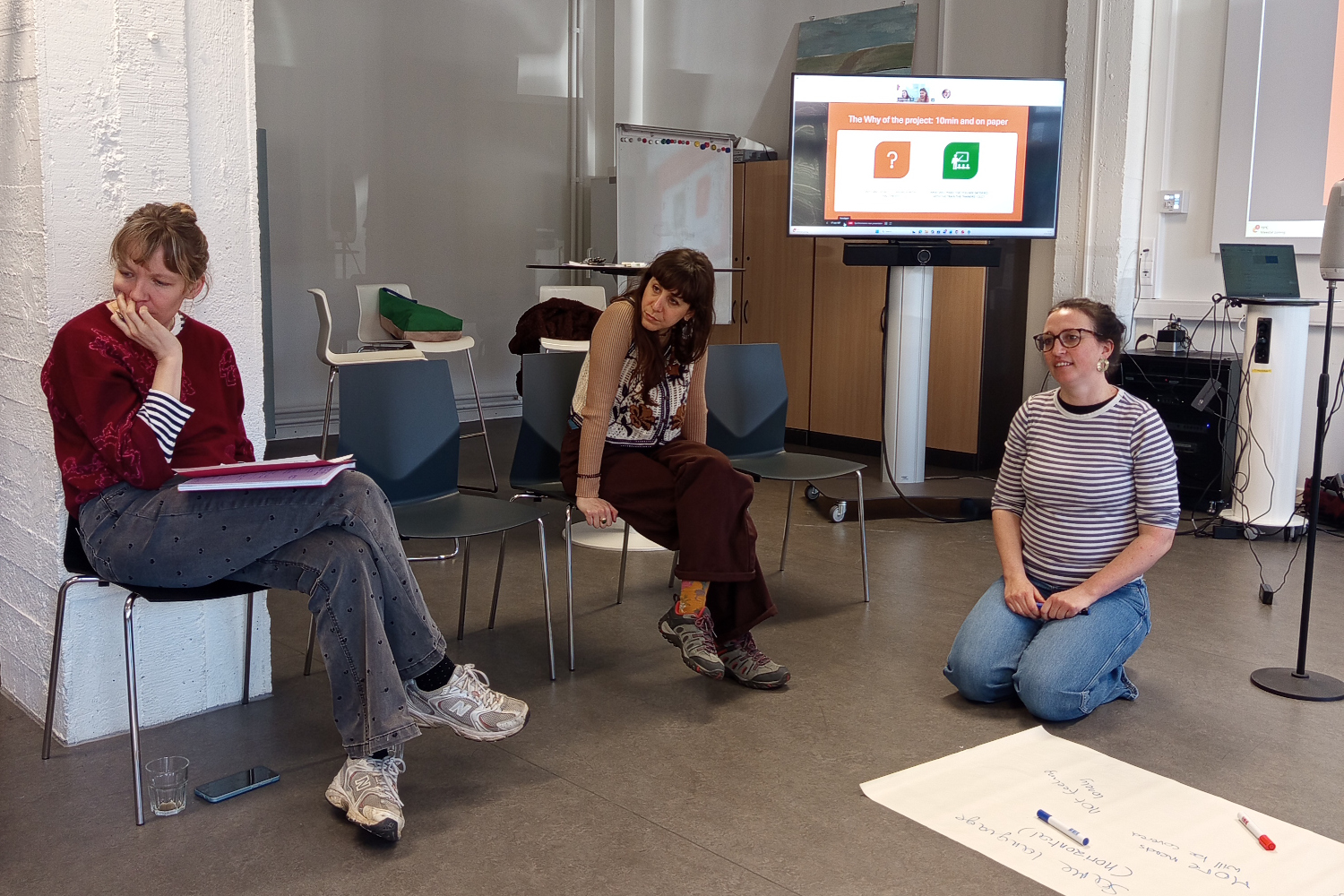
In March these entities participated in a training provided by Odisee University College in Brussels, which familiarised them with the characteristics and dynamics of the learning communities, with the objective of preparing the implementation of these communities in their countries. On behalf of Fundación Diagrama, a member of the R+D department participated, as did the coordinators of the 'Can Santoi' (Barcelona) and ‘Besiberri’ (Gerona) Emergency Protection Services, dependents of the Department of Social Rights and Inclusion of the Catalan Government.
The participants positively valued being able to share the common challenges and problems that affect families and young people with professionals from other countries, and to learn about the experiences of organisations with a consolidated track record in the development of programmes for foster families.
The training was completed with an online session dedicated to establishing the guidelines for the creation process of the learning communities and presenting methodologies and specific resources for them. Likewise, a calendar of meetings open to the public was established, which will publicise the project and the themes that said communities tackle.