webmail
 Portal personal








Fundación Diagrama brought together representatives of child protection services from Madrid and Murcia alongside members of half a dozen entities working in this field for an online session to share research carried out within the framework of the European SHIELD project. The objective is to improve capabilities for the prevention, detection, and reporting of violence in residential care to support children and adolescents living in this environment.
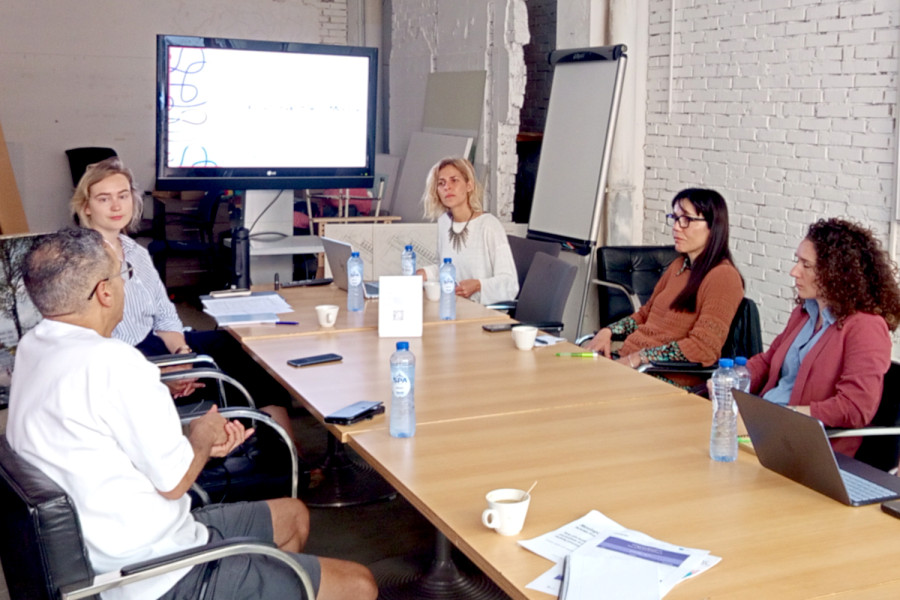
The European SHIELD project brought together specialists from social organizations, public administrations, and the academic sector to reflect on the protection of children and adolescents living in residential care, during an online session held on September 10. Participants in this meeting included representatives from Fundación Diagrama—the organisation managing the project in Spain—as well as child protection services from the Community of Madrid and the Region of Murcia, and other entities working in this field, such as Save the Children, Fundación ANAR, SOS Children's Villages, The Spanish Children´s Rights Coalition (Plataforma de Infancia), and the Chair in Children's Rights at Comillas Pontifical University.
SHIELD aims to support children and adolescents living in residential care, as well as the professional teams working with them, by improving their capabilities for the prevention, detection, and reporting of violence. The objective of the reflection group was to share the research conducted to date within the framework of the project and to gather input from specialists in child and adolescent protection based on what was presented. This feedback will help guide the project's next steps, together with contributions gathered in the other participating countries: Austria, Greece, Italy, Lithuania, and Cyprus.
On an institutional and regulatory level, participants emphasized the importance of organizations' child protection policies, which form the crosscutting foundation for all their activities, as well as international and European standards in this field. Additionally, they highlighted the need for legally aligned protocols that allows for the prevention and addressing of any incidents both inside and outside the facility, extending protection to outings in collaboration with other involved actors. To support teams facing situations of violence, emphasis was placed on having a focal point or protection coordinator, as well as strengthening training in early detection, psychological first aid, and non-revictimization, drawing on specialist professionals when necessary.
Regarding direct care for children and adolescents, stress was laid on offering an individualised, non-mechanical intake from the moment they arrive at the residential facility, guaranteeing them a safe and supportive environment. Participants underlined the importance of fostering relationships built on trust and active, empathetic listening, creating spaces where children and adolescents can participate and have their voices heard regarding decisions that affect them. Likewise, they stressed the need for awareness campaigns on the culture of positive treatment and on identifying violent behaviours that youth may have normalised, in addition to regularly informing them of the support resources available inside and outside the centre, such as child ombudsperson offices, specialised police units, or helplines.
Finally, regarding procedures for reporting situations of violence, it was emphasised that they must be age-adapted, conducted in trustworthy and non-intimidating environments, and structured to prevent revictimization through repeated testimony. This is in addition to the recommendation to assign a public defender from the time of admission, thereby ensuring continuous legal support..